Understanding the Core Principles of Voice Dubbing
Voice dubbing transforms original audio tracks into new languages or improved performances while preserving emotional depth and narrative flow. Professionals focus on matching vocal timbre, pacing, and intonation to source material for seamless integration. This process demands technical precision combined with artistic interpretation to deliver professional video results that captivate global audiences. Mastering voice dubbing begins with recognizing how cultural nuances influence dialogue delivery and how acoustic properties affect perceived authenticity.
Selecting Appropriate Voice Talent
Choosing voice actors requires evaluating vocal range, accent adaptability, and emotional versatility. Search databases for talent experienced in animation, film, and corporate videos. Conduct auditions using sample scripts that mirror project demands. Assess consistency in breath control and pronunciation accuracy. Diverse casting enhances inclusivity and broadens appeal in international markets. Consider age, gender, and regional dialects to align with character profiles, ensuring the dubbed track resonates naturally.
Adapting Scripts for Natural Delivery
Script adaptation involves translating dialogue while maintaining timing and lip movements. Collaborate with linguists to preserve idiomatic expressions and cultural references. Break lines into segments that fit original syllable counts. Incorporate phonetic guides for challenging sounds. Review iterations with directors to refine tone and emphasis. This step prevents awkward phrasing that disrupts viewer immersion and supports professional video results through fluid storytelling.
Establishing a Professional Recording Environment
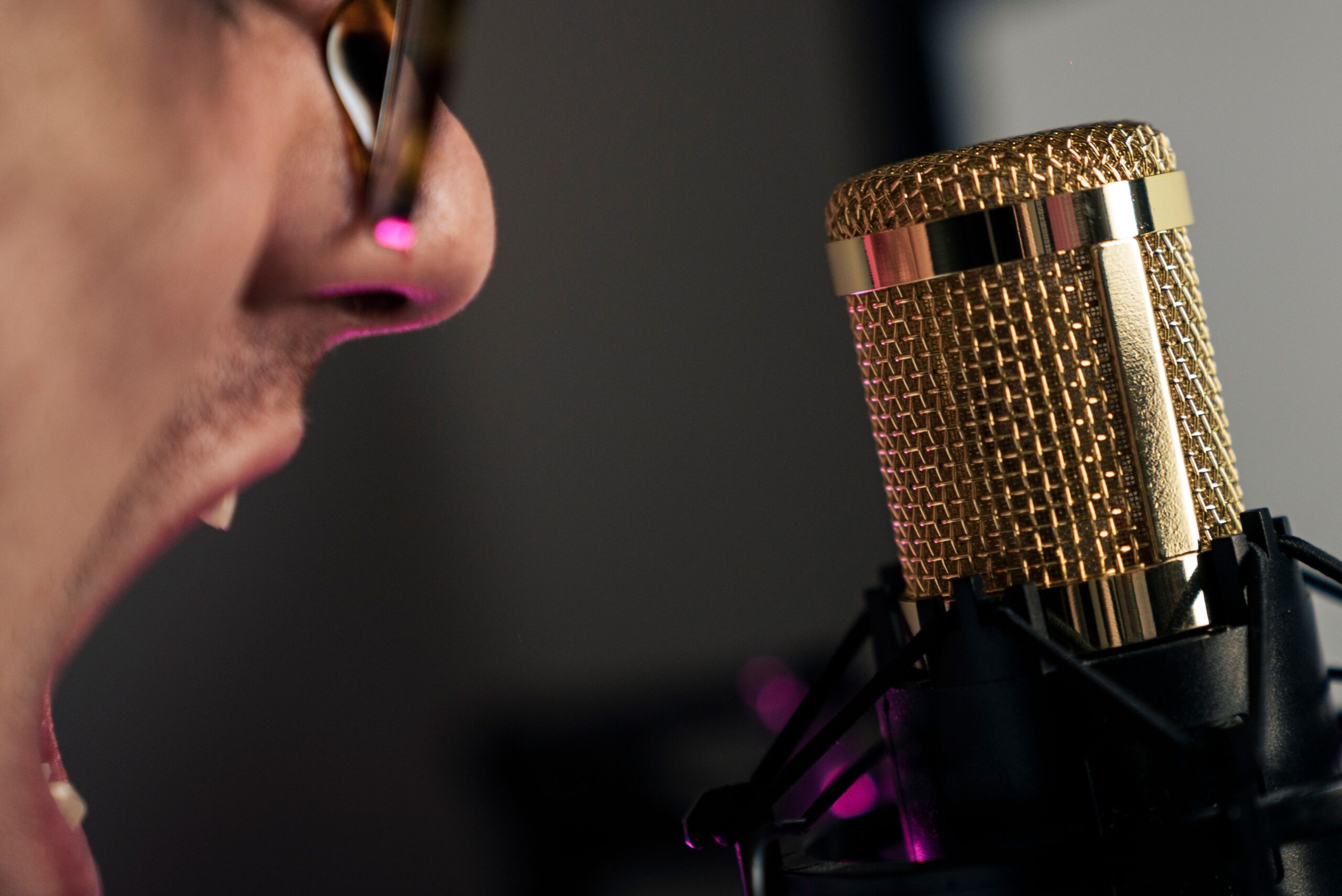
Create an acoustically treated space using bass traps, diffusers, and isolation panels to minimize reflections. Position microphones at optimal distances from the mouth, typically six to eight inches. Control humidity and temperature for consistent vocal performance. Invest in high-quality preamps and interfaces to capture clean signals. Test setups with reference tracks to eliminate noise floors below -60 dB. Such preparation forms the foundation for high-fidelity voice dubbing outputs.
Mastering Recording Techniques
Record multiple takes varying intensity and speed to capture nuanced options. Guide talent through emotional arcs using reference video playback. Employ pop filters and shock mounts to reduce artifacts. Monitor levels peaking at -6 dB to avoid clipping. Encourage natural pauses that match on-screen actions. Layer breaths and ad-libs for realism. These methods elevate voice dubbing quality and contribute directly to polished professional video results.
Achieving Precise Lip Synchronization
Analyze original footage frame-by-frame to map phonemes with target language sounds. Use time-stretching algorithms in digital audio workstations to adjust durations without pitch distortion. Apply visual markers on waveforms for key mouth shapes. Iterate with animators or editors to fine-tune offsets under 20 milliseconds. Test in context on multiple playback devices. Accurate synchronization prevents visual dissonance and strengthens audience engagement in dubbed content.
Editing and Mixing for Seamless Integration
Import recordings into editing software and align tracks to picture. Equalize frequencies to match ambient tones from the original mix. Apply compression and de-essing for clarity. Balance reverb and delay to simulate spatial environments. Automate volume rides during dynamic scenes. Export stems for further refinement. Thorough mixing ensures voice dubbing blends invisibly, yielding professional video results that meet broadcast standards.
Leveraging Advanced Software Tools
Explore platforms like Adobe Audition, Pro Tools, and iZotope RX for restoration and enhancement. Utilize AI-assisted alignment features in tools such as Dubber or Descript. Incorporate plugins for pitch correction and noise reduction. Simulate room acoustics with convolution reverbs. Automate batch processing for large projects. Staying current with updates optimizes workflows and accelerates mastery of voice dubbing techniques.
Addressing Common Technical Challenges
Combat mismatched acoustics by analyzing spectral profiles and applying corrective filters. Resolve timing discrepancies through elastic audio manipulation. Handle emotional mismatches by directing additional retakes. Mitigate accent bleed with targeted pronunciation drills. Overcome budget constraints by prioritizing essential gear and outsourcing specialized tasks. Systematic troubleshooting maintains momentum toward professional video results.
Implementing Quality Control Protocols
Establish review cycles involving multiple listeners across devices and environments. Score tracks on criteria including clarity, sync accuracy, and emotional fidelity. Compare against reference dubs from award-winning productions. Document revisions with version control systems. Final approval gates prevent distribution of subpar work. Rigorous checks guarantee consistent excellence in voice dubbing projects.
Exploring Niche Applications in Various Genres
Apply voice dubbing strategies differently across animation, live-action, and educational videos. Animation tolerates greater creative liberty in vocal exaggeration. Live-action prioritizes subtle lip matching. Documentaries emphasize factual neutrality. Tailor approaches to genre conventions to maximize impact and viewer retention.
Building Long-Term Skills Through Practice
Dedicate sessions to replicating famous dubbed scenes from international films. Analyze successful projects for technique insights. Network with industry forums to exchange feedback. Track personal progress via portfolio compilations. Continuous refinement hones expertise essential for sustained professional video results in competitive markets.