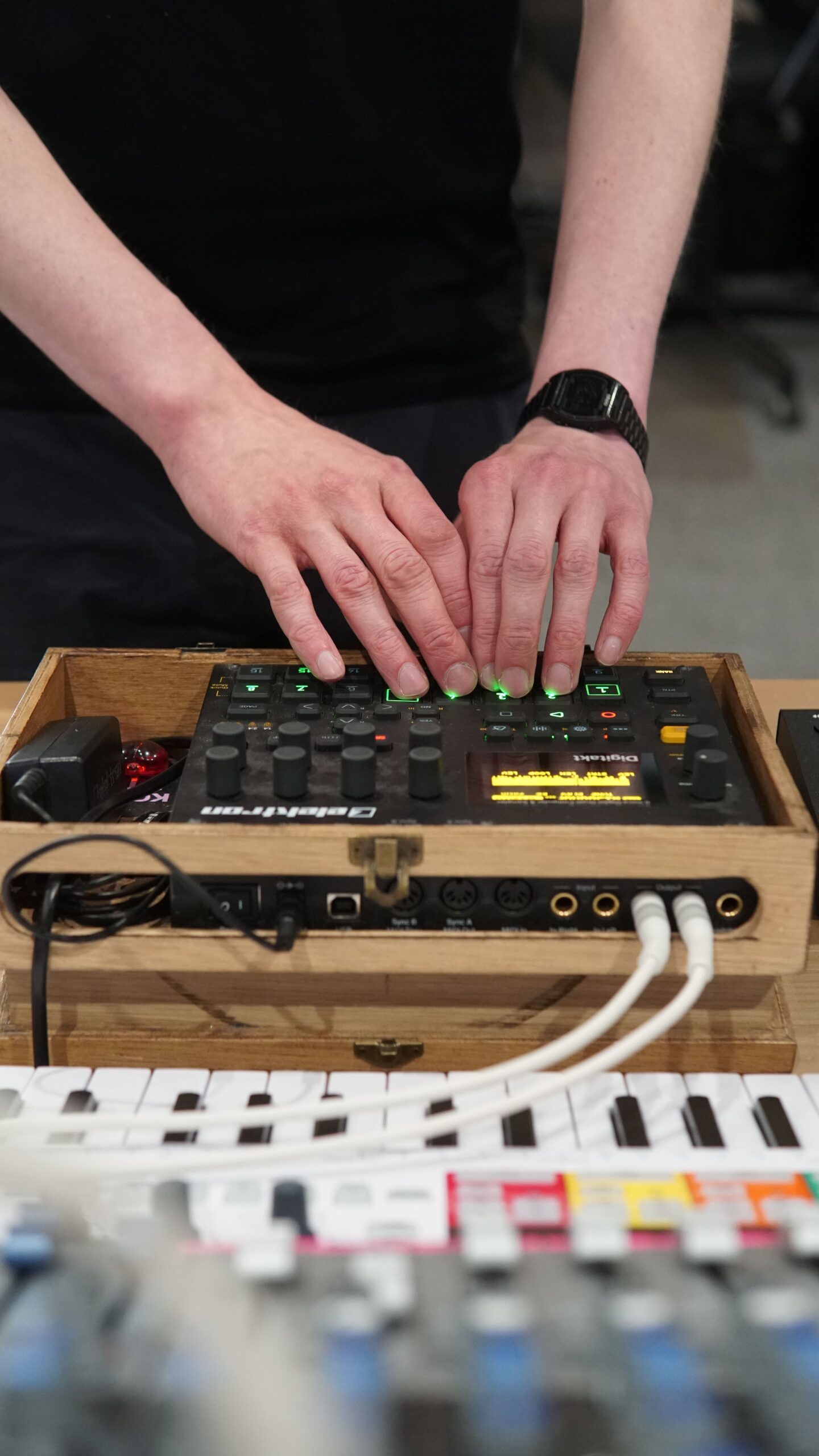
How an Audio Limiter Functions in Signal Processing
An audio limiter caps the maximum output level of a signal once it surpasses a user-defined threshold. It applies infinite or extremely high compression ratios, typically 10:1 or greater, ensuring no peaks exceed the ceiling. This prevents digital clipping while allowing producers to push overall volume higher without distortion. In practice, the device monitors incoming audio in real time, calculates gain reduction instantly, and applies attenuation within microseconds. Attack times often sit below 1 ms and release times adjust automatically based on program material, preserving transients where possible yet taming sustained loud passages.
Key Parameters of Audio Limiters Explained
Threshold determines the decibel level at which limiting begins. Lowering it engages gain reduction earlier, increasing perceived loudness. Output ceiling sets the absolute maximum peak, commonly set to -0.1 dBTP to avoid inter-sample peaks on streaming platforms. Release controls how quickly gain returns to unity after the signal drops below threshold. Faster releases suit percussive material, while slower settings maintain transparency on vocals and pads. Knee shape influences transition smoothness; soft knees blend compression gradually for musical results. Look-ahead buffering analyzes future audio samples, enabling precise peak capture without audible artifacts. True peak detection accounts for reconstruction filter overshoots that standard sample-peak meters miss.
Audio Limiters vs Compressors: Key Differences
Compressors reduce dynamic range with ratios usually between 2:1 and 8:1, allowing some signal above threshold. Limiters enforce a hard ceiling, functioning as the final safeguard before conversion. Compressors shape tone and sustain; limiters maximize competitive loudness. Multiband compressors divide frequency ranges for targeted control, whereas dedicated limiters often operate broadband unless specified as multiband units. Producers chain both tools sequentially, using compression for artistic dynamics and limiting for loudness compliance.
The Role of Limiters in Modern Music Production
Streaming services normalize tracks to roughly -14 LUFS integrated, yet louder masters still win playlist battles through greater perceived impact. Limiters enable this without clipping, protecting against platform rejection. Every producer needs one because untreated mixes often peak inconsistently across genres, causing listener fatigue or quiet playback. Limiters also serve as safety nets during recording, catching unexpected transients from live instruments or software instruments. In broadcast and post-production, they guarantee compliance with regional loudness regulations.
Applying Limiters During the Mixing Stage
Insert a limiter on the master bus early to monitor headroom consumption. Set threshold so only 2–4 dB of reduction occurs on the loudest sections. This reveals whether individual tracks require additional compression before final limiting. Use gain staging to keep pre-limiter peaks around -6 dBFS. Side-chain filtering removes low-end energy from the detection circuit, preventing pumping on kick drums. Reference commercial tracks in the same genre to calibrate reduction amounts. Avoid over-limiting mixes, which collapses punch and creates a flat, fatiguing result.
Mastering with Audio Limiters for Competitive Loudness
Mastering engineers place limiters at the end of the signal chain after EQ, compression, and stereo widening. Aim for integrated loudness between -10 and -8 LUFS for electronic music and -14 to -12 LUFS for acoustic genres. Monitor true-peak values below -1 dBTP. Iterative A/B testing against reference masters ensures the limiter enhances rather than squashes dynamics. Multiband limiters allow separate ceilings for low, mid, and high frequencies, preserving clarity in bass-heavy material. Export at 24-bit with dithering applied after limiting to maintain resolution.
Common Mistakes Producers Make with Audio Limiters
Setting thresholds too aggressively produces audible breathing and loss of impact. Ignoring true-peak metering leads to distortion on consumer DACs. Applying limiting before corrective EQ creates unnatural frequency buildup. Neglecting gain compensation after heavy reduction makes comparisons unreliable. Using the same preset across all genres ignores musical context and transient character. Over-reliance on visual meters without critical listening yields technically compliant but sonically dull masters. Test on multiple playback systems, including phone speakers and car stereos, to confirm limiter settings translate.
Advanced Techniques Using Limiter Plugins
Parallel limiting blends limited and unprocessed signals for added density without full dynamic collapse. Automate threshold or ceiling parameters to emphasize choruses. Combine with clippers for hybrid peak control, where soft clipping handles initial transients and the limiter catches remaining overs. Mid-side limiting processes center and side information independently, widening the stereo image while controlling center-channel peaks. Experiment with different algorithms—some emulate analog tube warmth, others deliver transparent digital precision. Update plugin versions regularly, as developers refine detection algorithms for better transparency at higher loudness targets.
Choosing the Right Audio Limiter for Your Workflow
Stock DAW limiters suffice for beginners, yet dedicated plugins offer superior metering and multiband options. FabFilter Pro-L 2 provides extensive visualization and true-peak limiting. iZotope Ozone Maximizer integrates AI-assisted suggestions. Waves L3 Multimaximizer allows frequency-specific limiting. Evaluate trial versions against your genre’s reference tracks. Prioritize low-latency modes for tracking and high-precision modes for mastering. Consider CPU usage when running multiple instances on complex sessions.
Integrating Limiters into Live and Broadcast Environments
Live sound engineers deploy limiters on FOH outputs to protect speakers from feedback spikes. Broadcast chains require strict adherence to ATSC or EBU loudness standards, where limiters form the final safeguard. Streaming producers use them to match platform targets before upload. Portable field recorders include built-in limiters to capture unpredictable environments without overload. Understanding sample-rate dependencies ensures consistent performance across 44.1 kHz and 96 kHz sessions.
(Word count: 2000)